A Worthy Cause for Lefkadians Everywhere
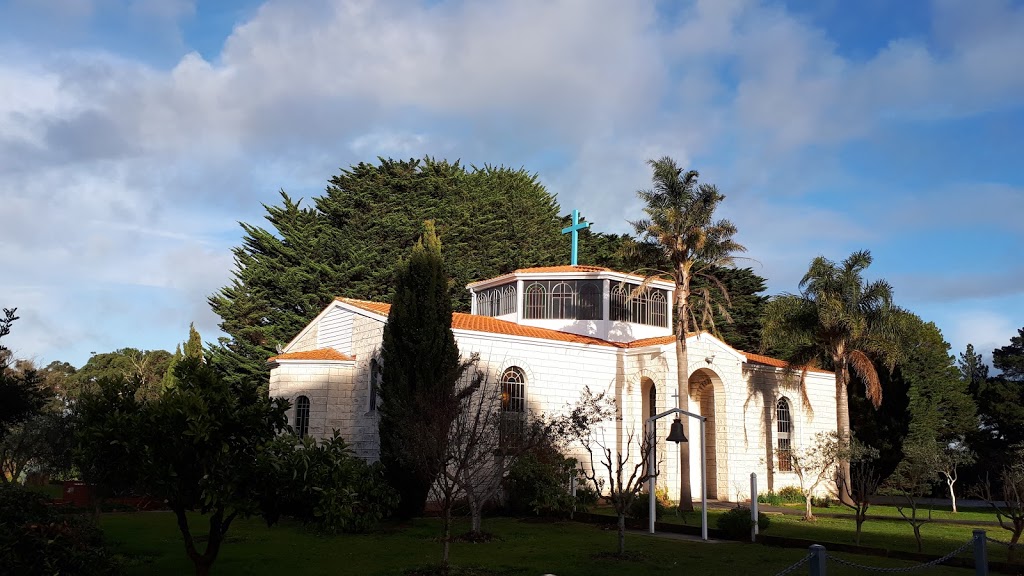
The Lefkadian Brotherhood is proud to launch a special fundraising appeal to help restore the Holy Monastery of Saint Nicholas in Athani, on the sacred Nira peninsula of Lefkada. The monastery dates back to the 17th century and remains an important part of Lefkada’s religious and cultural heritage.
🔷 Donate Now – Make a Difference
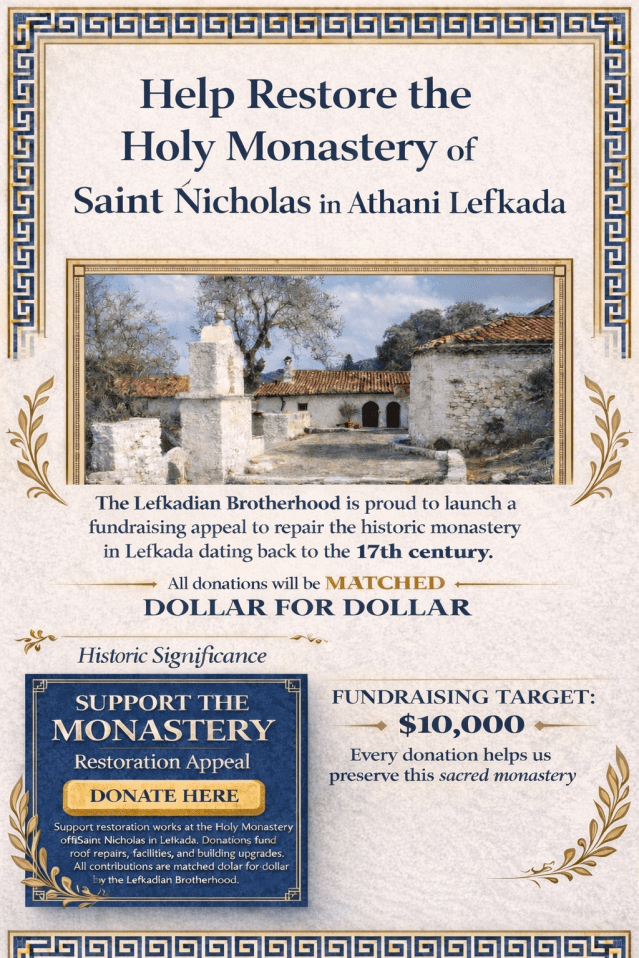
Our Goal: $10,000
We are seeking to raise $10,000 toward restorations.
To encourage generous support, all donations will be matched dollar for dollar, doubling the impact of every contribution.
Why Your Support Matters
This monastery is now run by nuns, and your support will help preserve a place of prayer, history, and spiritual significance.
The monastery has stood for centuries and continues to serve the faithful. It deserves our collective support to ensure it remains for future generations.
Preserving a Sacred Part of Lefkada’s Heritage
The Holy Monastery of Saint Nicholas is not only a place of worship, but a living link to Lefkada’s history and identity. Established in the 17th century by local families, the monastery has stood for centuries as a place of prayer, refuge, and community. Throughout its history, it has even served as a place of seclusion and exile for clergy, reflecting its remote and peaceful location.
Over time, the monastery has undergone periods of restoration and renewal, particularly in the 19th century, yet it has always retained its traditional character and spiritual significance.
Within its walls are treasures of Orthodox heritage, including historic icons—some dating back to the 1600s, among the oldest on the island—connecting generations of Lefkadians to their faith and traditions.
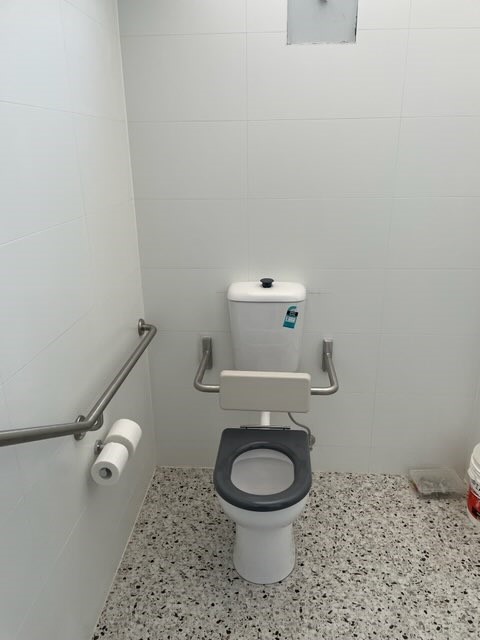
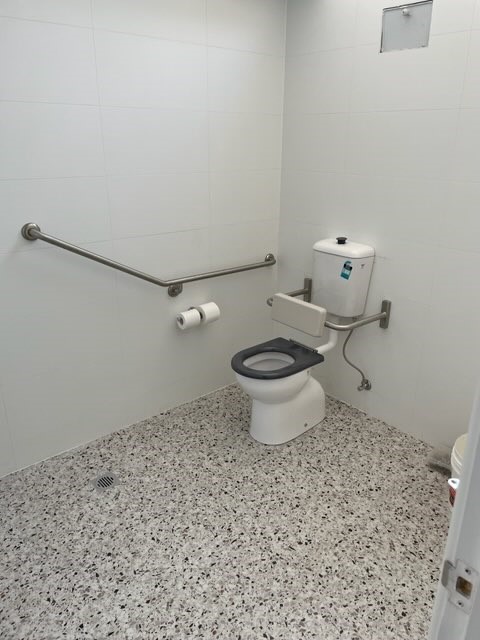
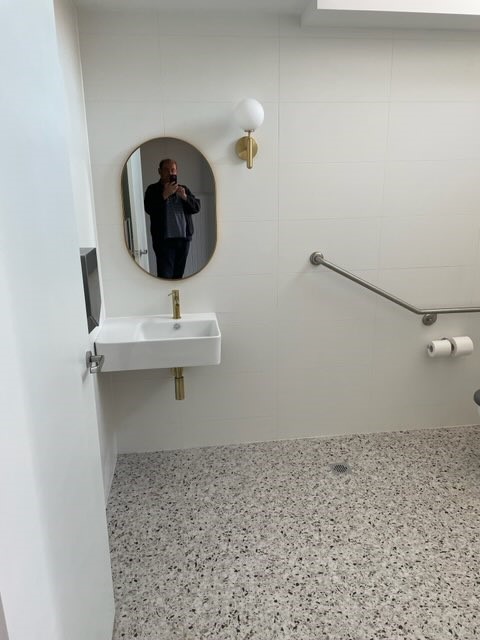
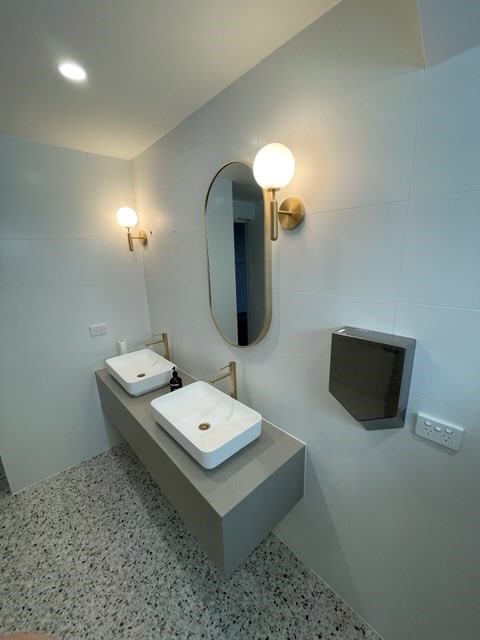
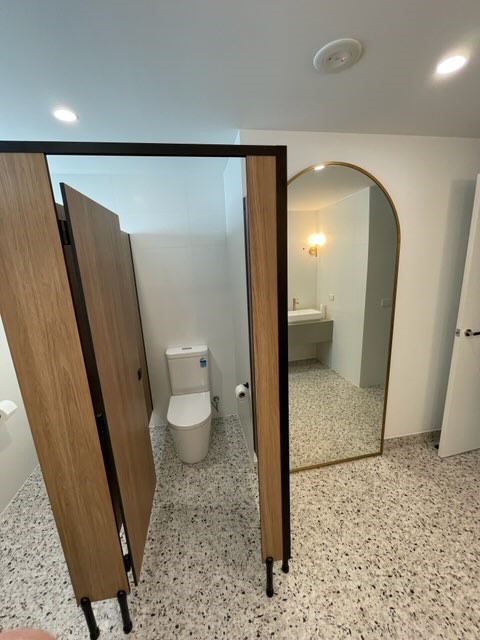
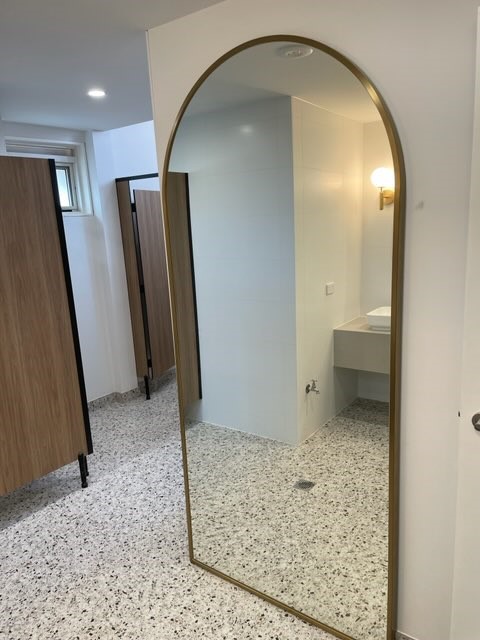
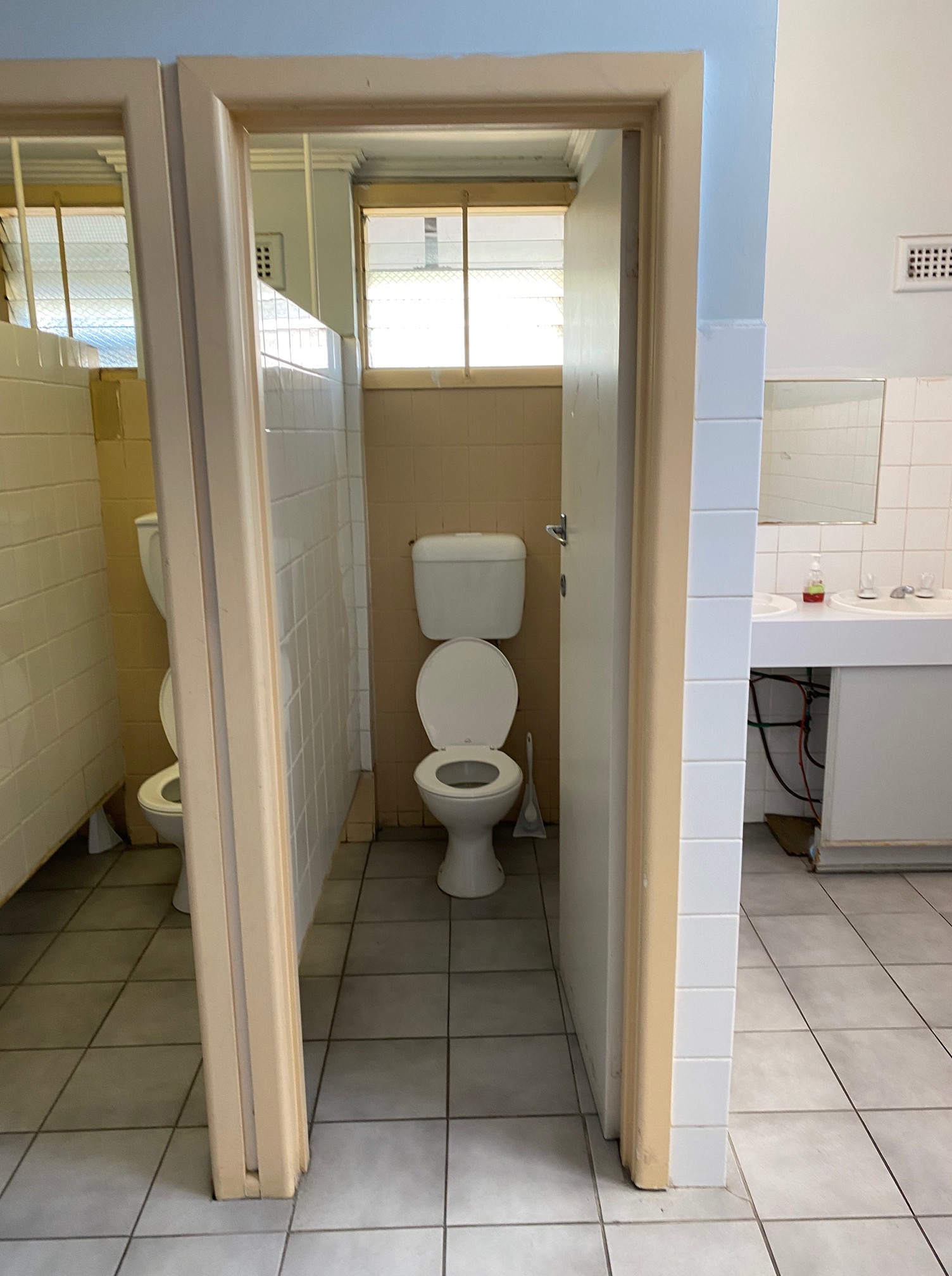
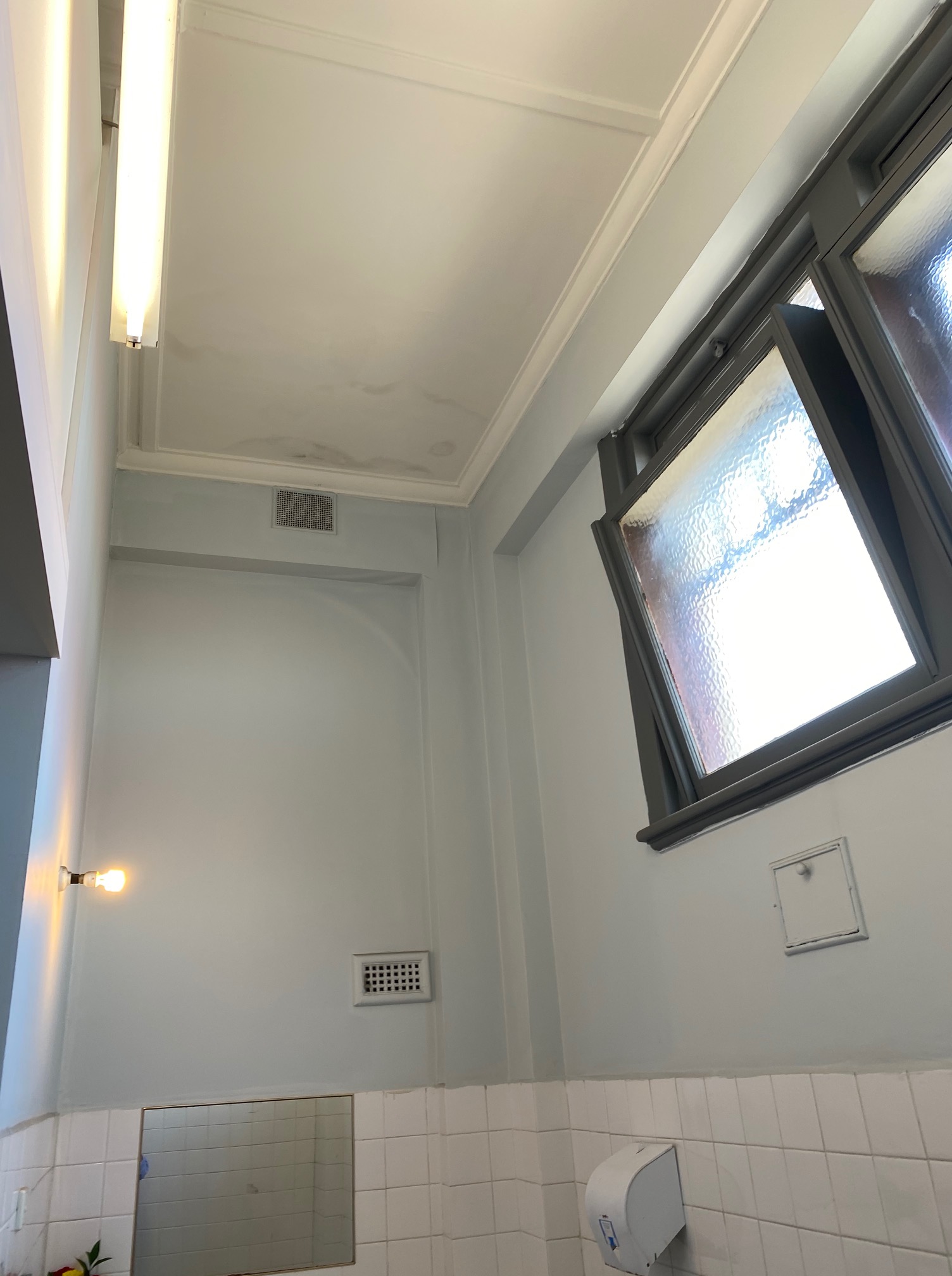
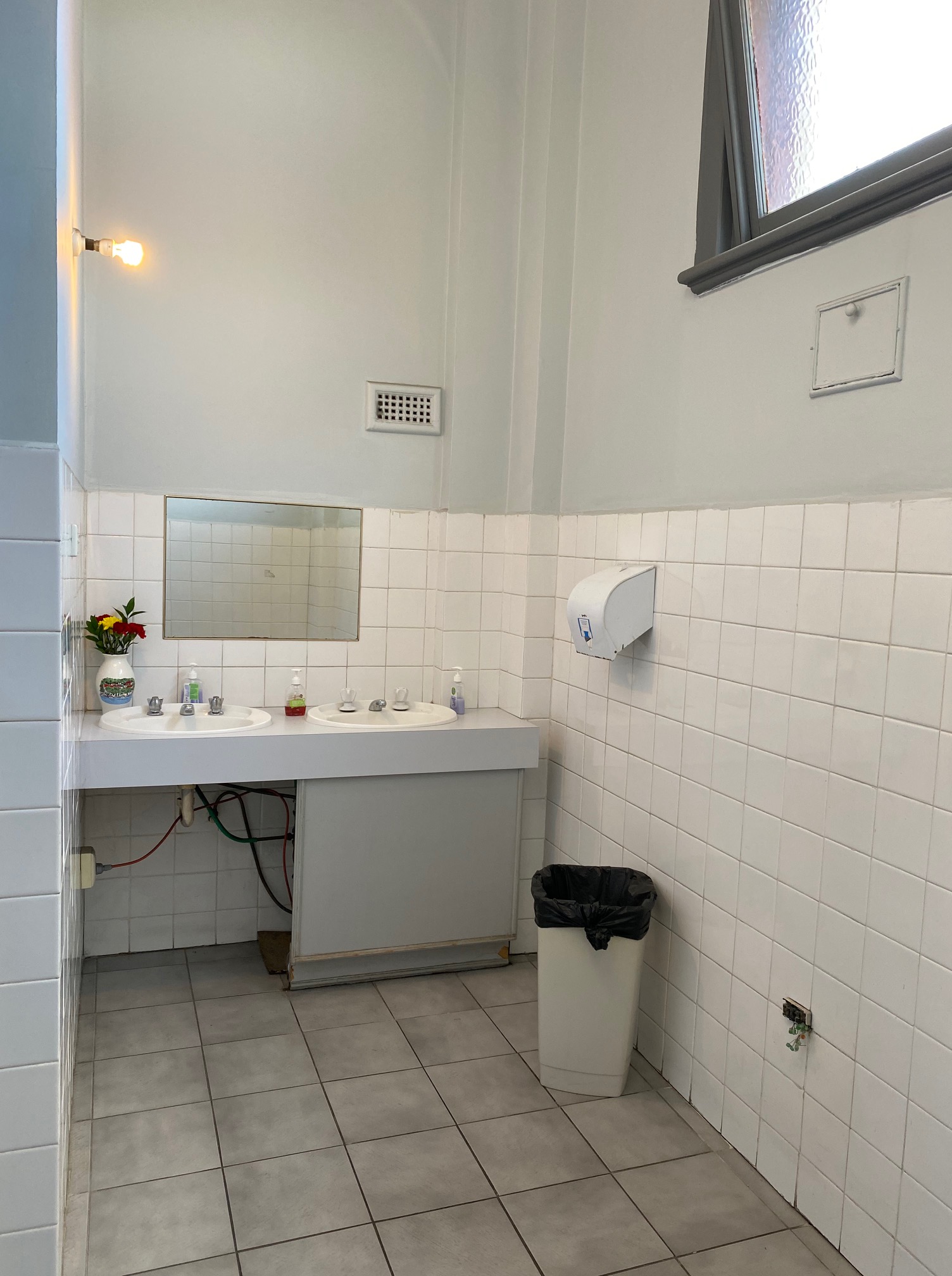
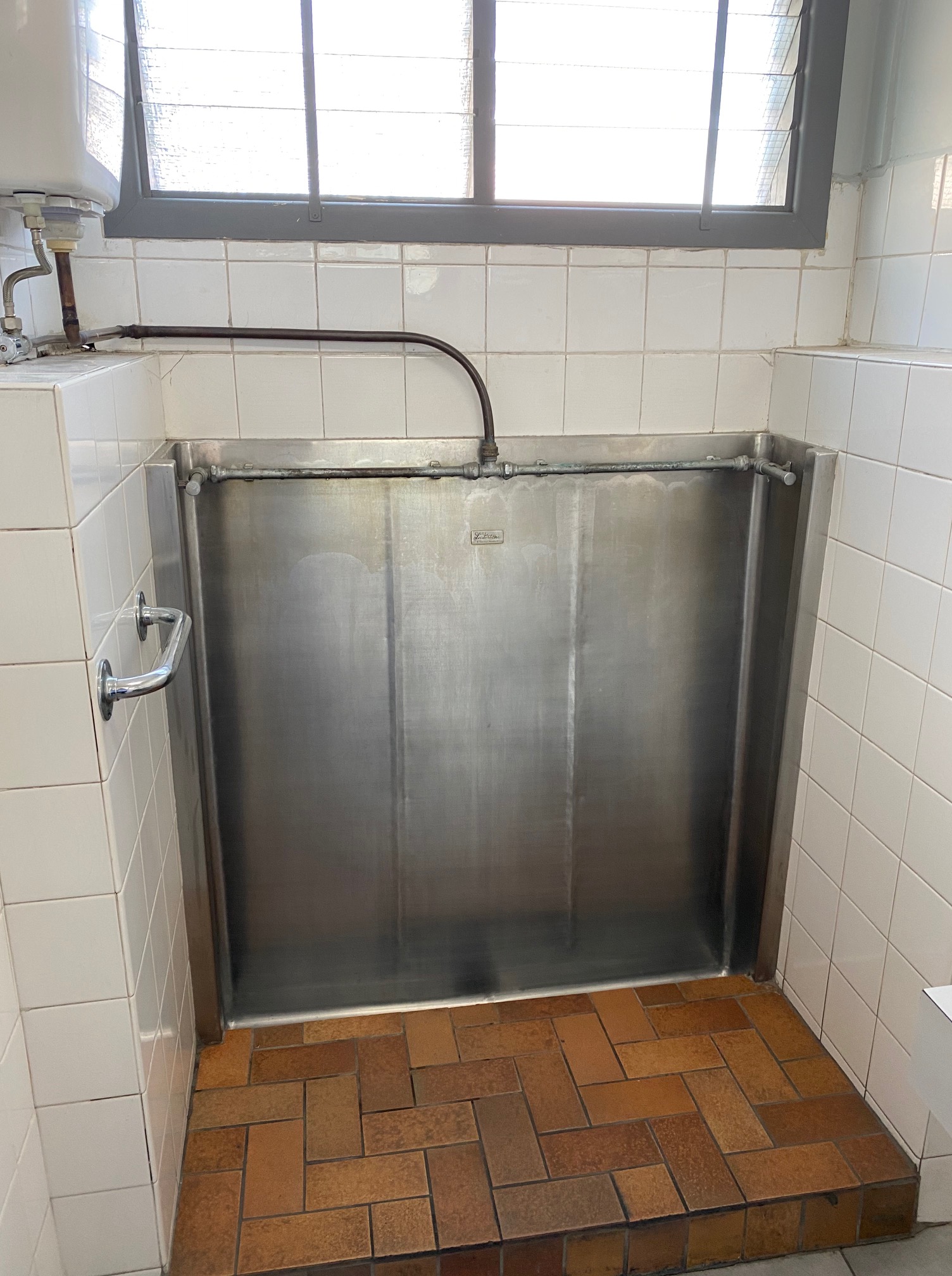
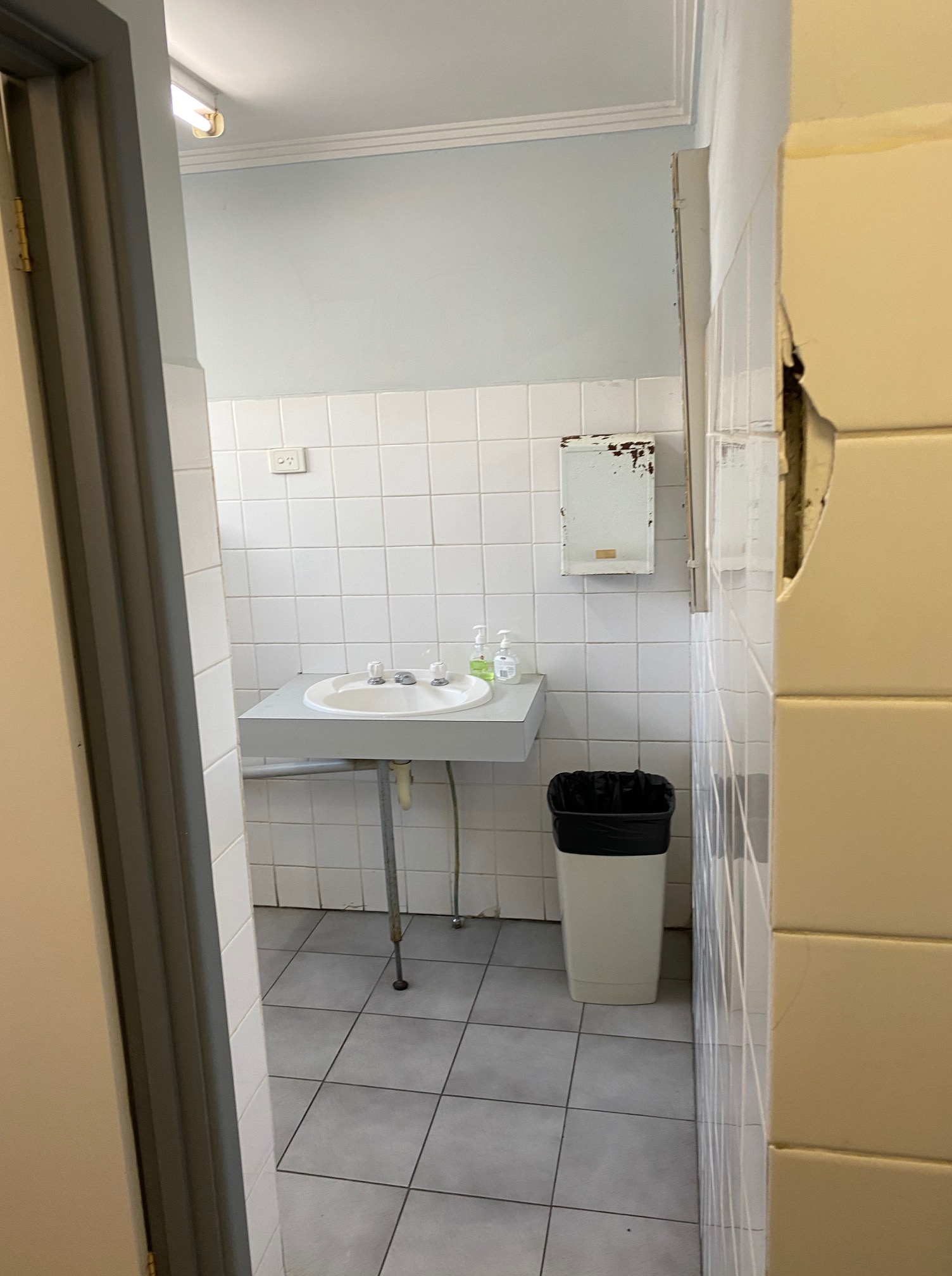
Today, the monastery continues its spiritual mission, offering a place of prayer, reflection, and pilgrimage. However, like many historic buildings, it now requires essential works and upgrades—including roof repairs, museum upgrade, visitor facilities updated including restrooms, and general building renovations and upkeep—to ensure it remains functional, safe, and welcoming for all who visit.
Leave a Lasting Legacy
By contributing to this project, you become part of the monastery’s continuing story.
A Community Effort
This appeal is an opportunity for Lefkadians around the world to come together and give back to a place that represents our shared heritage.
Your donation will:
- Help preserve a centuries-old monastery
- Support the nuns who maintain and care for it
- Protect an important site of Orthodox faith and Lefkadian history
- Ensure future generations can visit, worship, and connect
Together We Can Achieve This
With a target of $10,000, and dollar-for-dollar matching, every contribution has twice the impact.
We encourage all members, families, and friends of Lefkada to support this important cause.
Visit the Monastery
We encourage all members to visit the monastery when in Lefkada. Located in Athani, near Lefkata, it is both a spiritual sanctuary and a historic landmark.
Donor Recognition
A commemorative plaque in the name of the Lefkadian Brotherhood will be installed at the monastery in recognition of this fundraising effort and the generosity of donors, creating a lasting tribute to our community’s commitment to preserving Lefkada’s spiritual heritage.
Fundraising Events
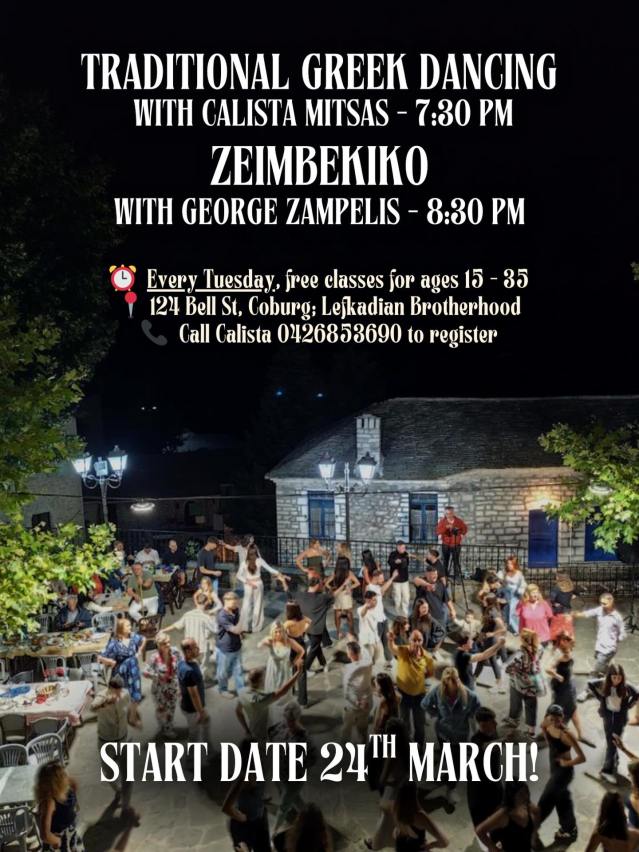
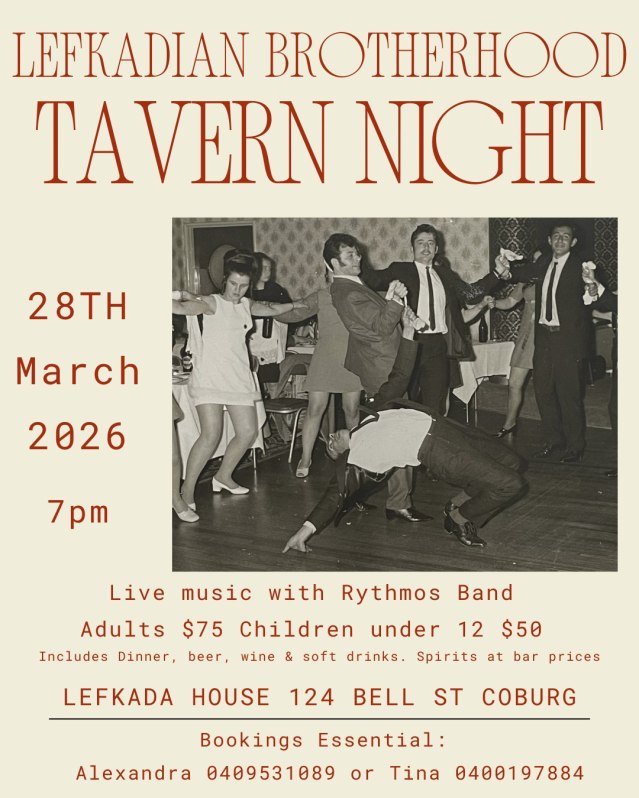
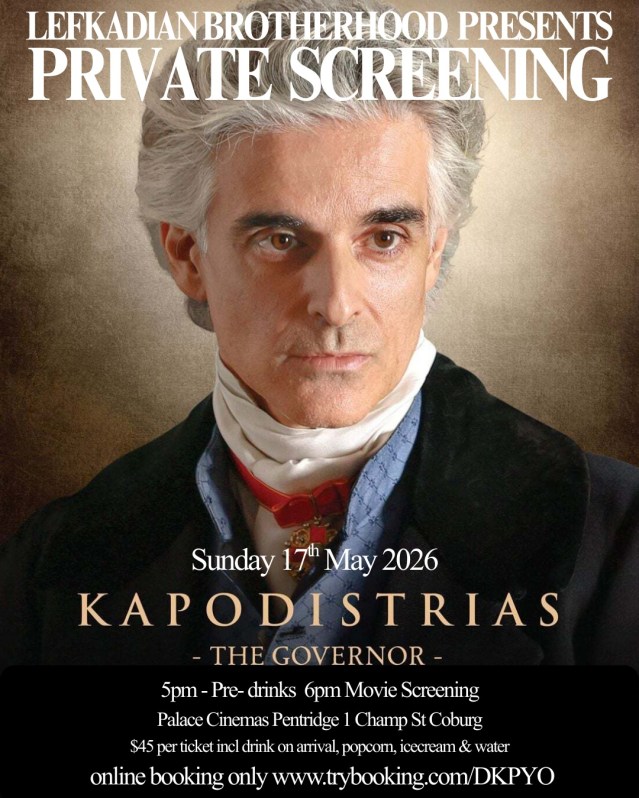
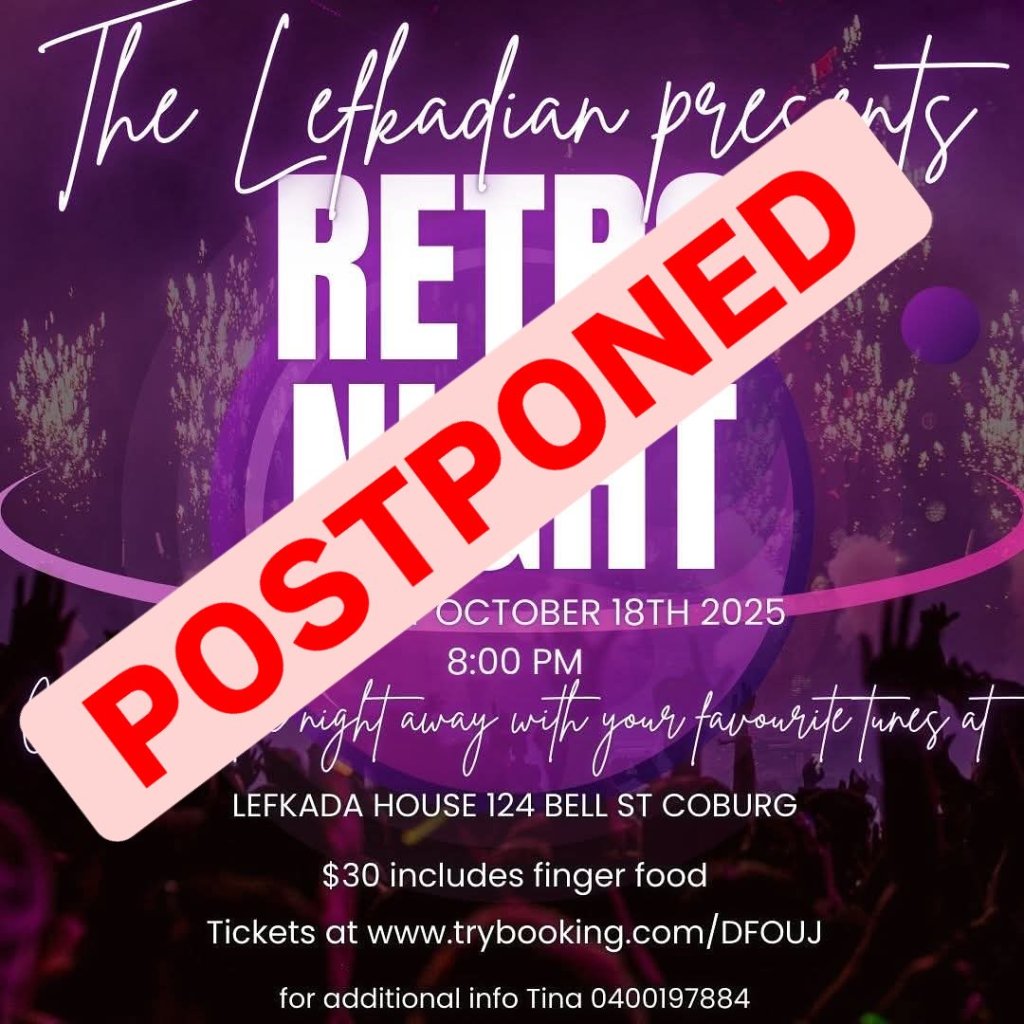
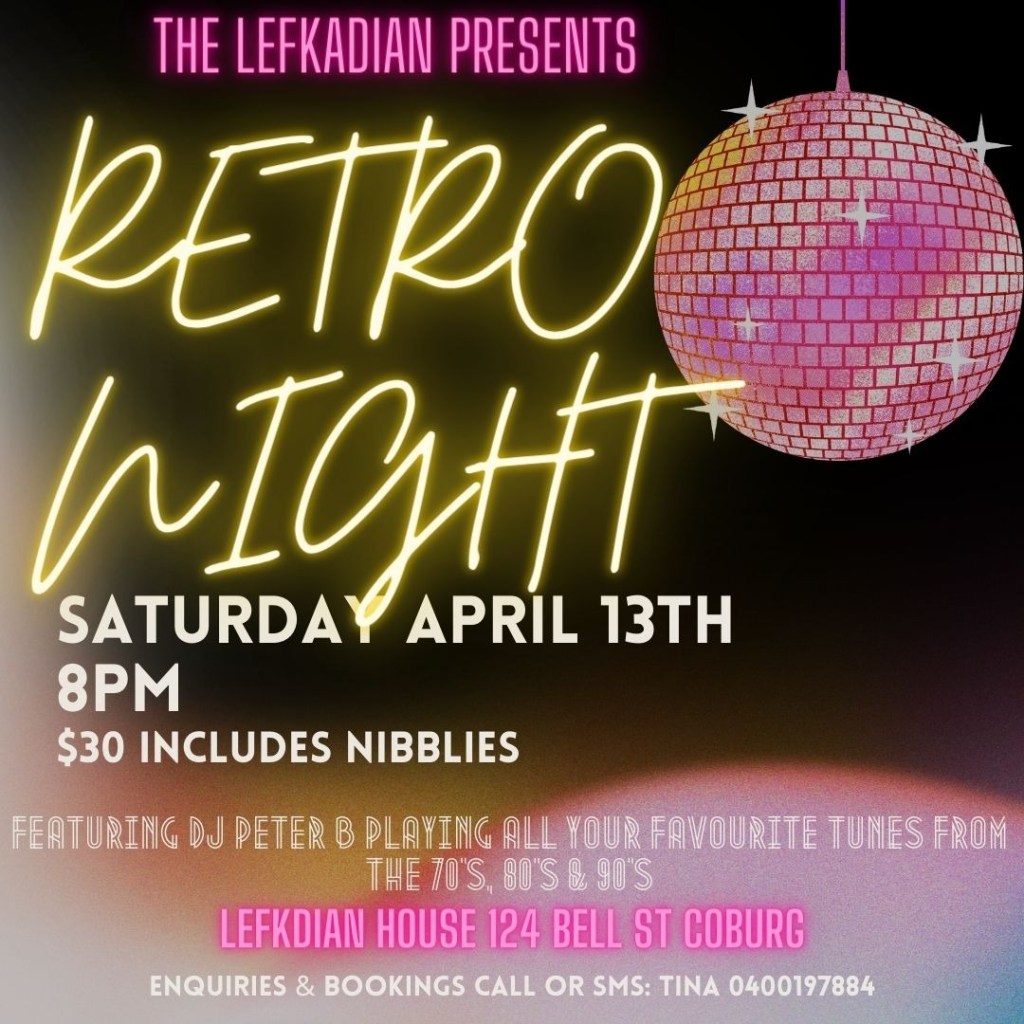
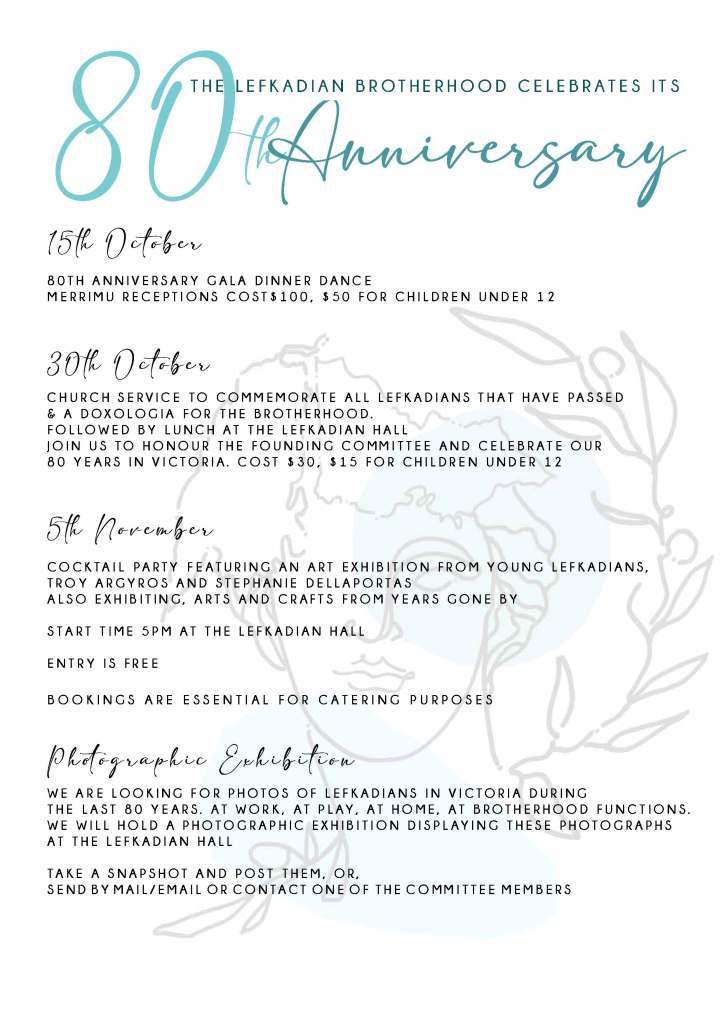
The Lefkadian Brotherhood will host fundraising events throughout the year.
We invite all Lefkadians and friends to participate and support this worthy cause.
Please Donate Generously
Every donation—large or small—brings us closer to restoring and preserving this sacred monastery.
Together, we can protect a treasured part of Lefkada’s heritage.